
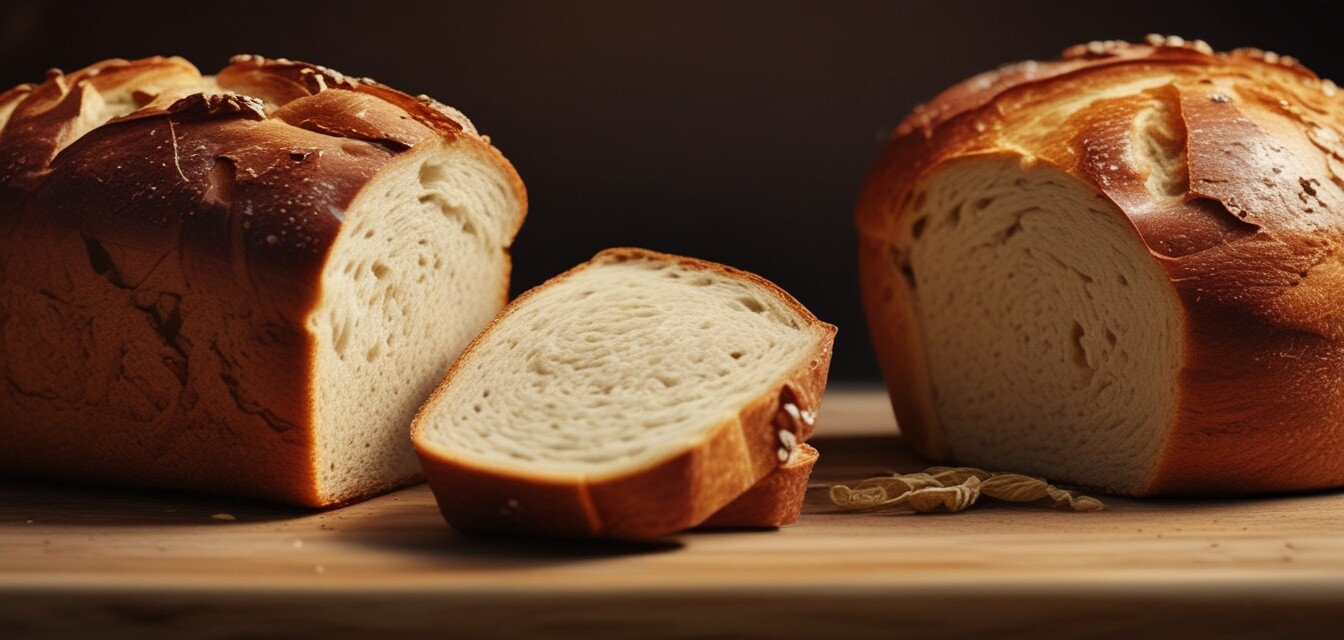
Sourdough vs. Yeasted Bread: Key Differences
- Sourdough bread uses natural fermentation and wild yeast, leading to a distinctive flavor.
- Yeasted bread relies on commercial yeast for faster rising and a more uniform texture.
- The crust and crumb of sourdough are often more complex due to its longer fermentation process.
- Both types of bread can be enjoyed in various forms; however, the techniques used impact the final product.
- Understanding the differences can elevate your [baking skills](https://sourdoughartisanbaking.com/blog/baking-tips-and-techniques).
When it comes to baking bread, two popular choices stand out: sourdough and yeasted bread. Both have their unique characteristics, flavors, and textures that make them beloved by many. In this article, we will explore the key differences between these two types of bread, helping you decide which might be the best fit for your baking endeavors.
What is sourdough bread?
Sourdough bread is made using a natural starter, which contains wild yeast and bacteria. This starter is cultivated through the fermentation of flour and water, creating a rich culture that develops over time. The fermentation process in sourdough can take longer than in yeasted bread, resulting in enhanced flavors and unique textures.
Key characteristics of sourdough
- Flavor: A tangy taste due to lactic acid produced during fermentation.
- Texture: Often has a chewy crust with an open crumb structure.
- Fermentation: A slow process ranging from several hours to 3 days for optimal flavor development.
- Health factors: Fermented sourdough is often easier to digest and may have a lower glycemic index.
What is yeasted bread?
Yeasted bread is made using commercial yeast, typically rapid-rise yeast or active dry yeast. This type of bread tends to rise quickly, making it a popular choice for those who want fresh bread on a tighter schedule. The commercial yeast works effectively to create carbon dioxide, leading to a lighter and fluffier texture.
Key characteristics of yeasted bread
- Flavor: Generally milder, with a sweeter finish, depending on ingredients used.
- Texture: Soft and uniform crumb, with a golden-brown crust.
- Fermentation: Occurs rapidly, usually requiring only 1-2 hours of rising time.
- Ease of use: Ideal for beginner bakers, due to its straightforward process.
Comparing sourdough and yeasted bread
| Characteristic | Sourdough Bread | Yeasted Bread |
|---|---|---|
| Fermentation Time | Long (several hours to 3 days) | Short (1-2 hours) |
| Flavor Profile | Tangy and complex | Sweet and mild |
| Crust Texture | Chewy and crispy | Soft and uniform |
| Usage of Starter | Natural starter with wild yeast | Commercial yeast |
| Difficulty Level | Moderate to advanced | Beginner-friendly |
Which bread is better for you?
The decision between sourdough and yeasted bread ultimately depends on your baking goals and preferences. If you enjoy a complex flavor and don't mind the longer process, sourdough could be your ideal choice. Conversely, if you prefer quick and easy baking with a softer texture, yeasted bread may work best for you.
Conclusion
Baking either sourdough or yeasted bread can enhance your culinary skills. Each style offers its unique benefits and challenges, making it an exciting adventure for every baker. To improve your baking techniques, consider exploring other valuable resources on baking such as our [Sourdough Basics](https://sourdoughartisanbaking.com/blog/sourdough-basics) or [Buying Guides](https://sourdoughartisanbaking.com/blog/buying-guides). Whichever path you choose, remember that practice and exploration are key to mastering artisan bread baking!
Pros of Sourdough
- Unique and complex flavors.
- Better digestion compared to commercial yeast breads.
- Longer shelf-life due to natural acidity.
Cons of Sourdough
- Requires a time commitment for starter maintenance and fermentation.
- Can be more challenging for beginners.
Tips for successful baking
- Always measure your ingredients accurately.
- Be patient with fermentation times to enhance flavor.
- Experiment with different ratios of flour and water in sourdough to find your preference.