Top Kitchen Scales for Accurate Baking Measurements
Key Takeaways
- Accurate measurements are essential for successful artisan baking.
- Digital kitchen scales offer greater precision than analog scales.
- Look for features like tare function, readability, and weight capacity when choosing a scale.
- Explore various types of scales to find the best fit for your baking needs.
- Understanding how to utilize your scale will improve your baking outcomes.
When it comes to baking artisan bread, precision is key. Accurate measurements can be the difference between a perfect loaf and a baking disaster. Whether you're mixing dough for sourdough or perfecting a baguette, the right kitchen scale makes a world of difference. Let's explore some top kitchen scales tailored specifically for baking, emphasizing accuracy and user-friendliness.
Why Use a Kitchen Scale for Baking?
Many bakers, especially those who are serious about their craft, prefer using a kitchen scale for their ingredients instead of measuring cups. Here are a few reasons why:
- Improved accuracy: Weighing ingredients ensures consistency across your baking.
- Ease of scaling: Recipes can be easily adjusted based on the amount of dough you need.
- Less mess: Weighing ingredients directly in the mixing bowl saves time on cleaning.
Features to Consider When Choosing a Scale
Before making a purchase, it’s important to understand what features to look for in a kitchen scale:
| Feature | Description |
|---|---|
| Digital vs. Analog | Digital scales provide more precise measurements, ideal for baking. |
| Tare function | Allows you to subtract the weight of containers, ensuring accurate measurement of ingredients. |
| Weight capacity | Select a scale with adequate limits for the amounts you typically measure. |
| Readability | A clear LCD display is crucial for quick and easy reading during baking. |
| Size and design | A compact design fits easily in your kitchen, while a flat surface makes it easier to clean. |
Types of Kitchen Scales
Different baking tasks may require different types of kitchen scales. Here are the most common types:
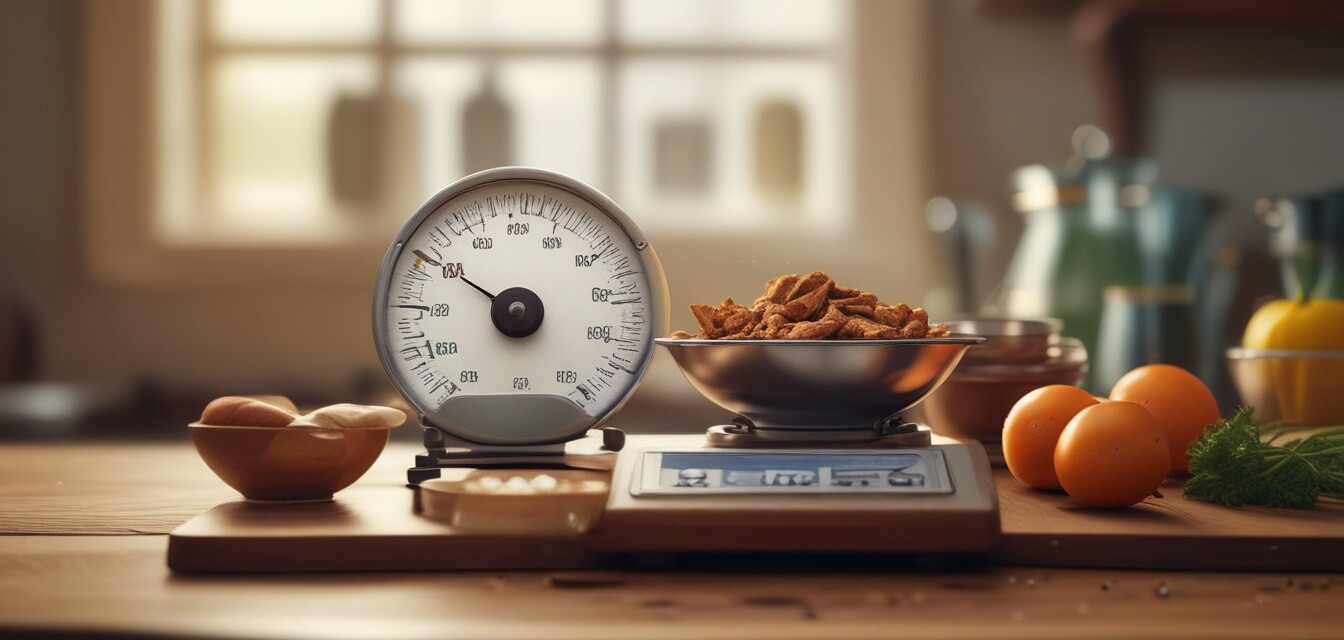
- Digital Kitchen Scales: Offers high accuracy and easy readability. Ideal for most baking needs.
- Mechanical Kitchen Scales: While less common in baking, they can still be used but may lack precision.
- Balance Scales: Often used in professional settings, these scales provide extreme accuracy.
Tips for Using Your Kitchen Scale Effectively
Beginner Tips
- Always zero the scale with your container before adding ingredients.
- Measure dry and wet ingredients separately for better accuracy.
- Familiarize yourself with recipe conversions from volume to weight.
- Keep your scale clean and calibrated for consistent performance.
Comparison of Popular Kitchen Scales
Choosing the right kitchen scale can be complicated given the various options available. Here’s a handy comparison of some features:
| Scale Model | Type | Capacity | Tare Function | Price Range |
|---|---|---|---|---|
| Scale A | Digital | 11 lbs | Yes | $20 - $30 |
| Scale B | Digital | 15 lbs | Yes | $25 - $35 |
| Scale C | Mechanical | 7 lbs | No | $15 - $25 |
Conclusion
Investing in a quality kitchen scale is essential for any home baker. By ensuring accurate measurements, you can take your artisan bread baking to the next level. Whether you choose a digital or mechanical scale, the right tool will pave the way for delicious and consistent baking results. To learn more about essential baking tools, check out our guides on baker's couche, proofing baskets, and sourdough basics.
Pros
- Ensures precision in measurements.
- Often features tare functions for easier usage.
- Helps in scaling recipes efficiently.
- Reduces mess in the kitchen.
Cons
- Some digital scales may require batteries.
- More initial cost compared to measuring cups.
- Can be less intuitive for beginners.